
Gargnano:
Historical Treasures on Lake Garda
- Gargnano
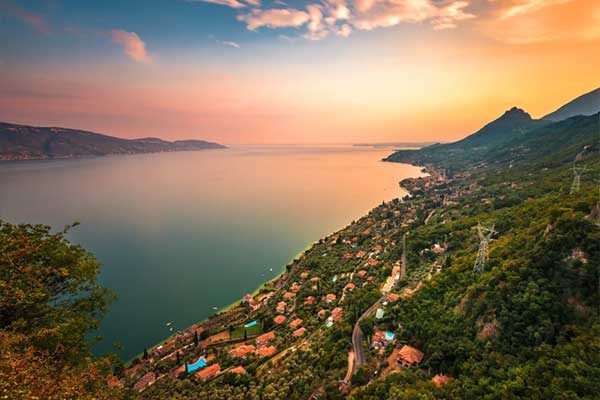
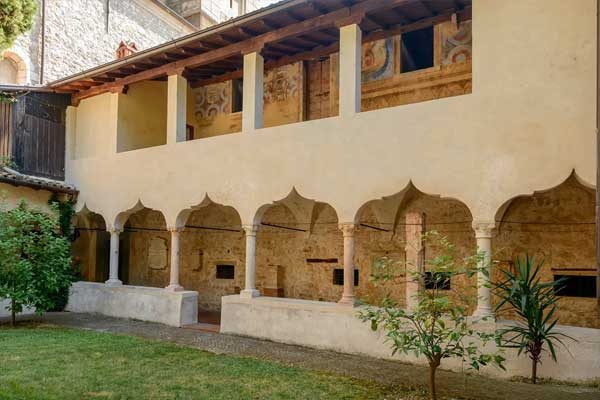
Gargnano is home to some of the most fascinating monuments and historic buildings on Lake Garda – places that bring the past to life through elegant architecture, picturesque gardens and stories that leave a lasting impression.
Exploring these residences means experiencing the region in a more authentic way, surrounded by beauty, culture and wonder.
Palaces and Villas
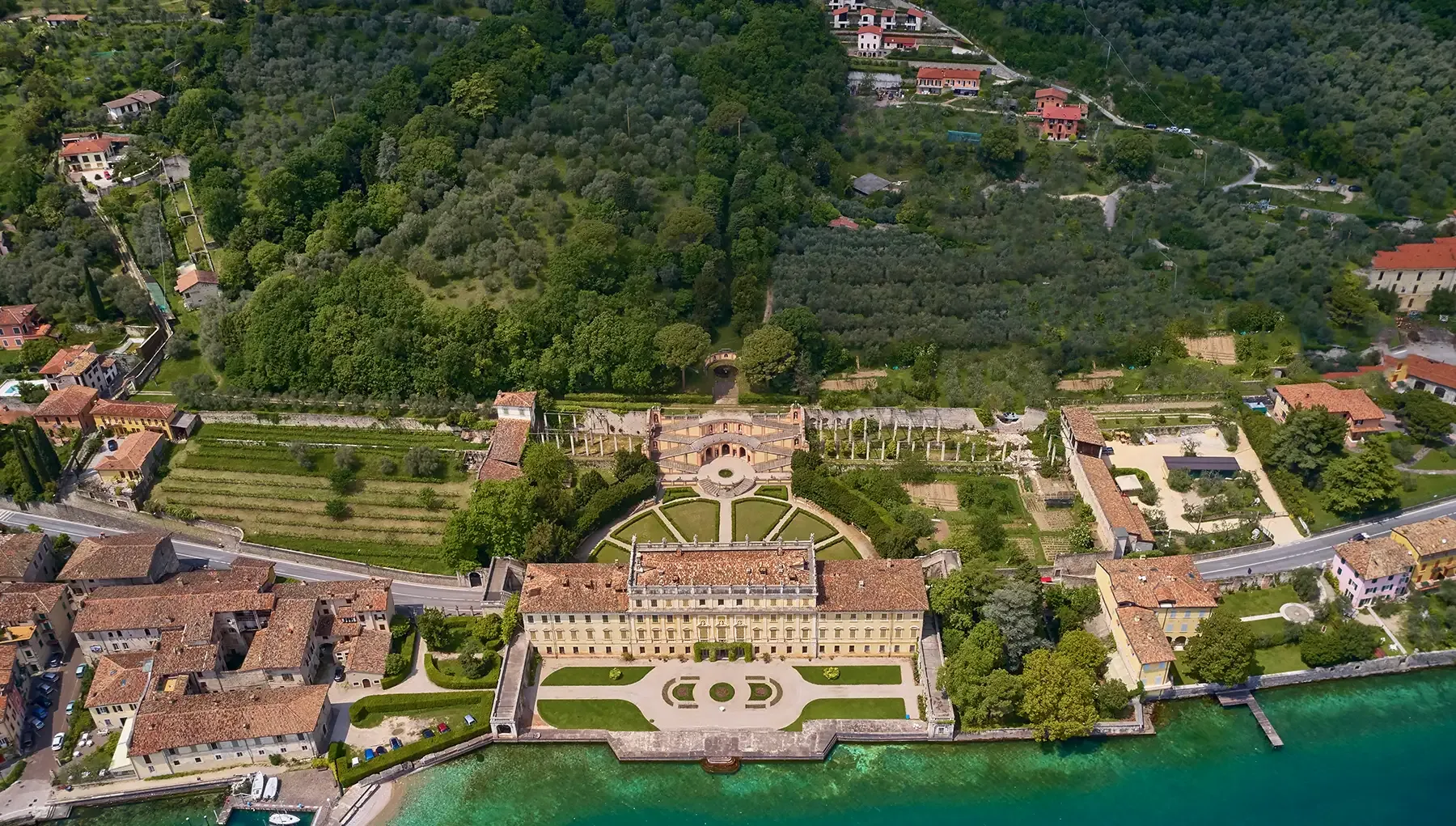
Palazzo Bettoni
Built in the early 18th century by the architect Adriano Cristofori, the villa was commissioned by Giandomenico Bettoni. The body of the great palace is adorned with a balustrade of mythological statues sculpted by Giovanni Battista Locatelli. At the centre of the building, the hall separates the wings of the villa which contains frescoes by Beniamino and Fabrizio Galliari, as well as other works, which constitute a veritable gallery of Baroque painting. The villa’s spectacular Italian garden is highlighted by a large exedra, lily pond and flowerbeds. Behind the garden are some lemon groves and the park.
Palazzo del Comune Vecchio
The old municipal building overlooks the town harbour. Built in the 16th century, it was designed by Giovanni Traffegnini after the style of Todeschini. The first floor has a marble pillar from the 15th century bearing the town’s coat of arms. The ground floor features a portico supported by large pillars with a marble plaque commemorating the bombing by Austrian ships in 1886, whose cannon-balls are still visible on the facades of the houses overlooking the harbour.
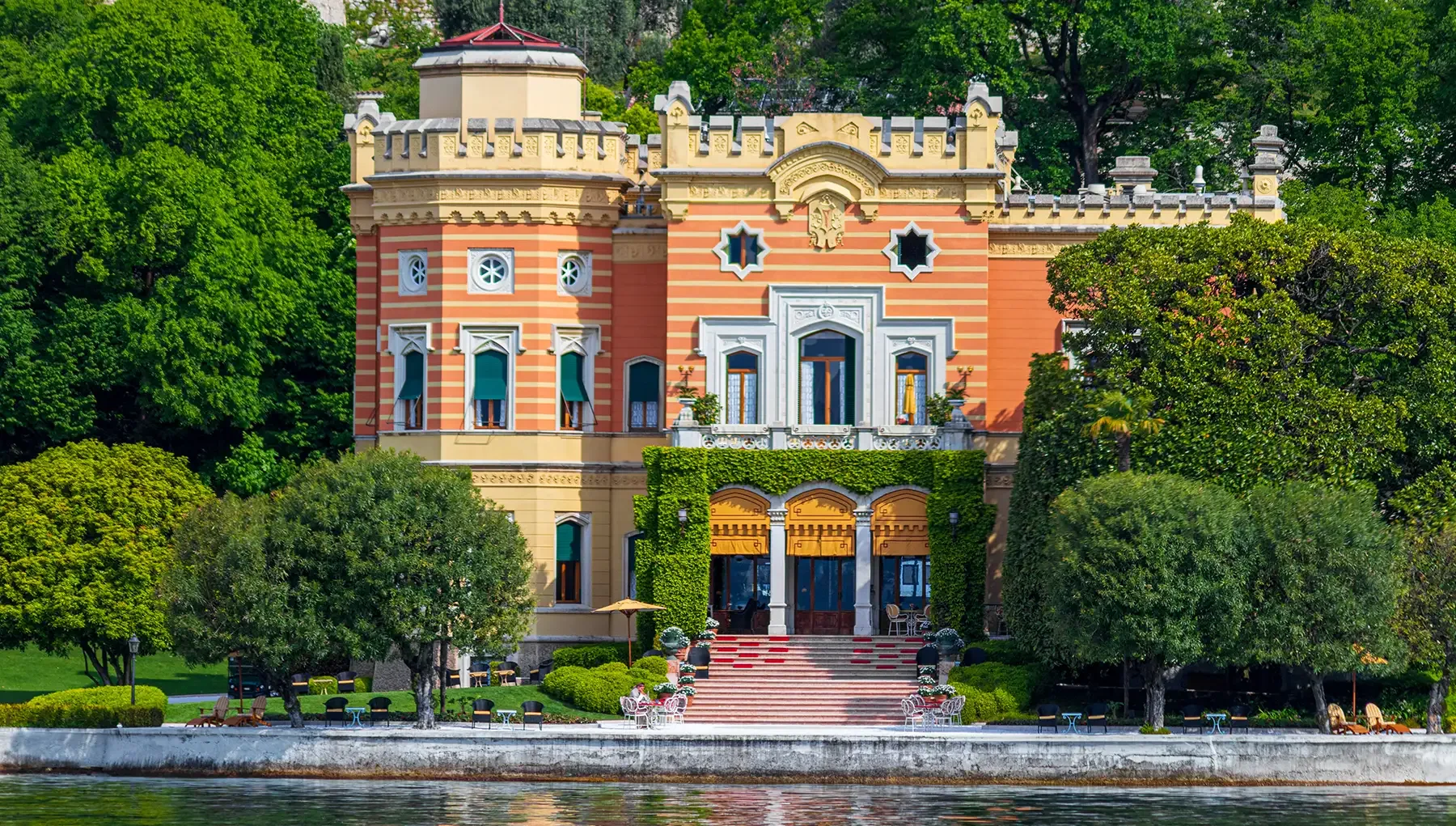
Villa Feltrinelli – “Villa del Duce”
Built between 1892 and 1899 by Alberico Barbiano Belgiojoso, who was commissioned by the patriarch of the Feltrinelli family, Faustino. The facade overlooking the lake is the most sumptuous part of the villa, while the park behind the building includes rare and valuable trees. Between October 1943 and April 1945 Villa Feltrinelli was the residence of Benito Mussolini, who lived there with his family.
Palazzo Feltrinelli
Built as the private house of Giuseppe Feltrinelli, it is uncertain whether the design of the project is that of Alberico Belgiojoso or Francesco Solmi. At the time of the Italian Social Republic (1943-1945), the building was confiscated by the fascist government and used as the secretariat for Benito Mussolini. The building is now a branch of the University of Milan and has been turned into a centre for international conferences, in the summer it hosts Italian language courses for learners from around the world.